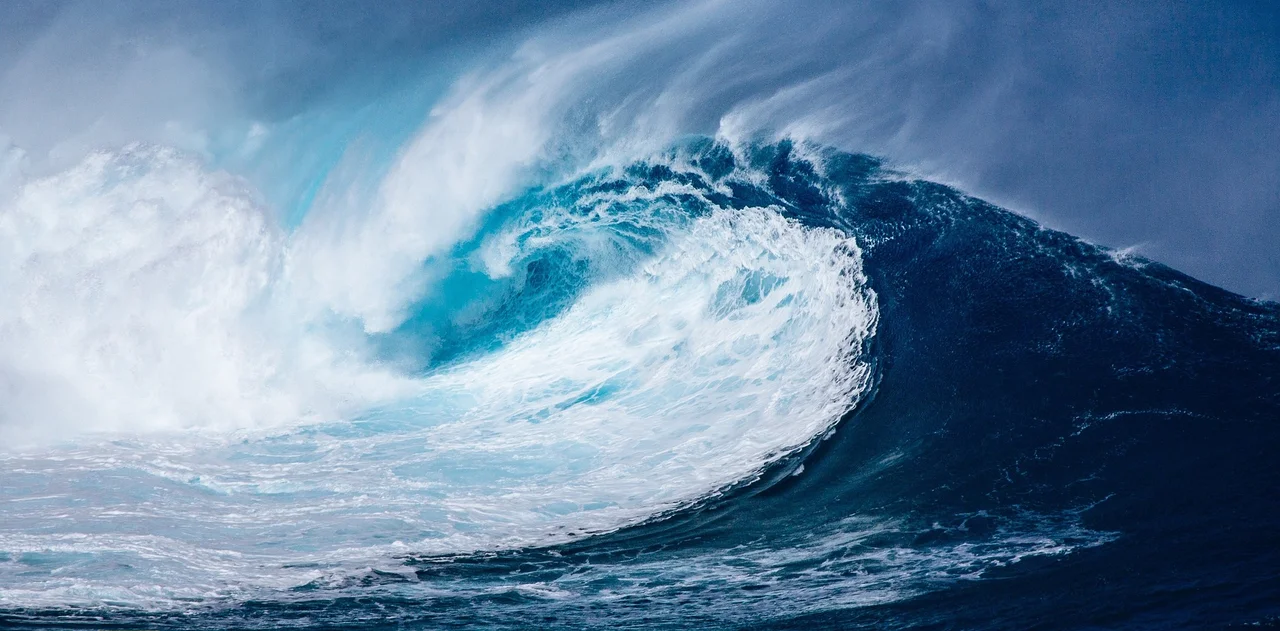
While earthquakes are the most common cause of tsunamis, these giant waves can also be triggered by other powerful forces in nature. Imagine a bathtub filled with water; if you suddenly move or displace a large amount of water, it will create waves. Similarly, these events can cause massive displacements of water, leading to tsunamis:
- Underwater Landslides: These occur when large amounts of sediment, rock, or volcanic debris suddenly shift on the ocean floor. This movement can displace huge volumes of water, creating a tsunami. Think of it like a giant underwater avalanche!
- Volcanic Eruptions: Large volcanic eruptions, especially those occurring underwater, can also generate tsunamis. The force of the eruption displaces water, creating powerful waves that can travel far distances.
- Meteorite Impacts: While less common, the impact of a large meteorite into the ocean can cause a massive displacement of water, triggering a tsunami. This is a rare event but has the potential to be devastating.
- Man-made Explosions: Although not a natural cause, large underwater explosions, like those from nuclear tests or underwater mining, can also generate tsunamis. This is a relatively rare occurrence, but it highlights the potential impact of human activities on the ocean environment.
References
- What Causes a Tsunami?
- Tsunami Generation: Earthquakes
- Tsunami Frequently Asked Questions
- What are some examples of tsunamis that caused little damage? What are some possible causes of tsunamis besides earthquakes and underwater landslides?
Explore More
- What are some examples of tsunamis caused by underwater landslides or volcanic eruptions?
- How do scientists track and predict tsunamis caused by non-earthquake events?
- What are the potential risks associated with man-made underwater explosions?
- What are some ways to mitigate the risks of tsunamis caused by natural disasters?