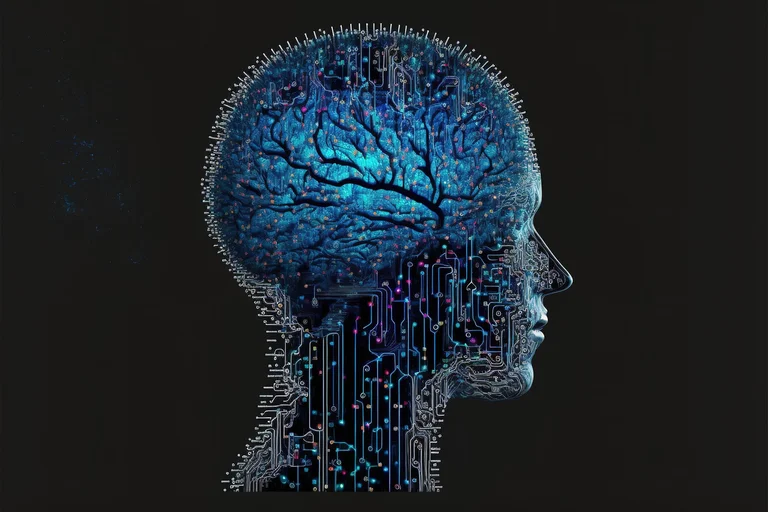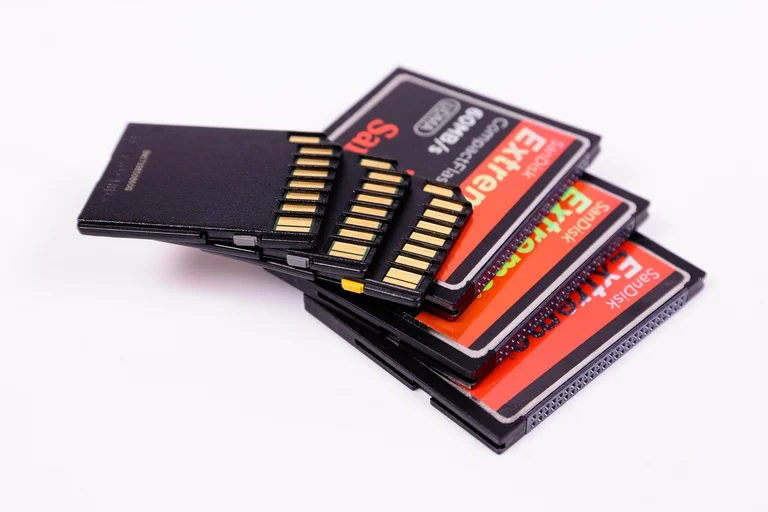
Yes and no. The brain is a physical organ, so it cannot have infinite capacity. It has a limited number of cells, limited energy, limited time, and limited connection points between neurons. But it also does not store memories like a phone stores photos, so “full storage” is the wrong picture.
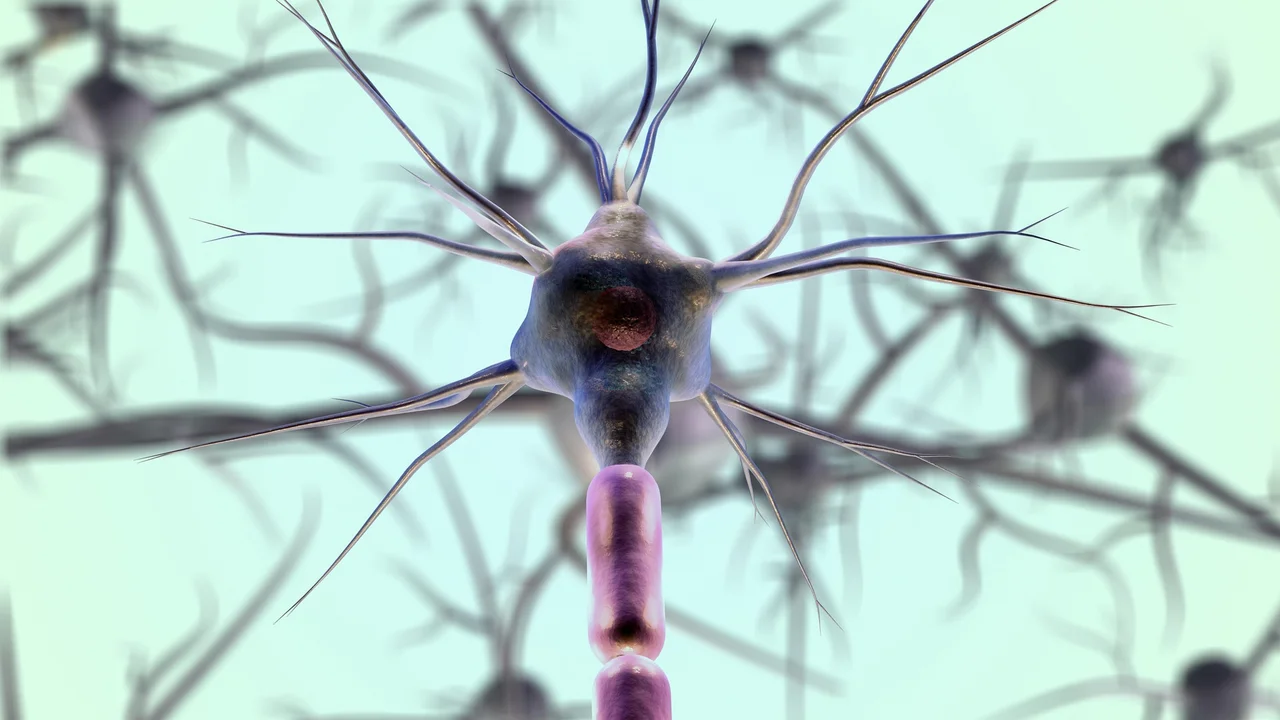
A phone saves files in separate slots. The brain stores memories by changing patterns of activity and connection strength across groups of neurons. Queensland Brain Institute describes memory as the reactivation of a specific group of neurons, formed through persistent changes in the strength of connections between them.
That distributed style gives the brain huge flexibility. A memory is not usually kept in one tiny place like a single folder. It is more like a pattern spread through many brain areas: sights, sounds, emotions, places, and meanings can all be part of the same memory. Related memories can overlap, and the same neurons can help with many different memories.
The part that feels most limited is working memory, the mental workspace you use right now. If someone reads you a phone number, you can hold it for a short time, but not forever. Nelson Cowan’s review describes a central working-memory limit of about 3 to 5 meaningful items in young adults. That is why a grocery list can vanish from your head in the time it takes to walk into the store.
Long-term memory is different. Some estimates based on synapses put the brain’s possible information storage in the petabyte range, and newer Salk work tries to measure how much information individual synapses can hold. But those numbers are rough scientific estimates of biological storage, not a promise that a person can remember every book, face, and password perfectly.
The real bottleneck is often not total space. It is encoding: what gets noticed, understood, rehearsed, emotionally tagged, slept on, or connected to what you already know. Live Science quotes neuroscientist Paul Reber saying the storage process is the bottleneck, not the total amount of space.
Forgetting is not always failure, either. The brain is constantly compressing, updating, and generalizing. If you drive the same route every day, you probably do not store each trip as a separate detailed movie. You keep the useful pattern and remember the unusual days: the accident, the flood, the strange billboard, the shortcut that worked.
So the honest answer is: the brain has limits, but most healthy people do not “run out of memory” the way a laptop runs out of disk space. We forget because attention is limited, working memory is tiny, new memories need consolidation, and the brain keeps updating old information to help us understand the present.
References
- Are There Really as Many Neurons in the Human Brain as Stars in the Milky Way? – Nature Scitable
- The Magical Mystery Four: How Is Working Memory Capacity Limited, and Why? – Current Directions in Psychological Science
- Physiology, Long Term Memory – NCBI Bookshelf
- How Are Memories Formed? – Queensland Brain Institute
- Memory Capacity of Brain Is 10 Times More Than Previously Thought – Salk Institute
- Upgrading Brain Storage: Quantifying How Much Information Our Synapses Can Hold – Salk Institute
- Can Your Brain Run Out of Memory? – Live Science
Explore More
- Why do we forget names right after hearing them?
- Why does sleep help memories stick?
- Can memories change every time we recall them?
- Why are emotional memories easier to remember?
- Is photographic memory real?