← All topics

Sciences

Physics, biology, astronomy, and the everyday science behind how the world works. 51 answers

Planet Earth with the Moon beside it against the black backdrop of space
Why Don't We Feel the Earth Spinning and Orbiting the Sun?

You're spinning at 1,000 mph and orbiting the Sun at 67,000 mph, so why do you feel still? Because your body senses changes in motion, not steady speed.

Read answer →
A bright rainbow arc over a forested mountain landscape
Can a Rainbow Ever Be a Full Circle?

Yes — a rainbow is really a full circle. Here's why we usually see only an arc, and how planes and mountains reveal the complete 360-degree ring.

Read answer →
Close-up illustration of neurons and nerve connections
Can the Human Brain Run Out of Memory?

The brain has physical limits, but it does not fill up like a hard drive. Memory depends on attention, encoding, storage, and forgetting.

Read answer →
A glass prism showing spectral colors from light
What Color Is Sunlight, Really?

Sunlight is white when all visible colors reach your eyes together, but Earth's atmosphere can make the Sun look yellow, orange, or red.

Read answer →
A close-up of a computer circuit board
Why Can Quantum Computers Be So Fast?

Quantum computers can be fast on special problems because superposition, entanglement, and interference reshape the odds before measurement.

Read answer →
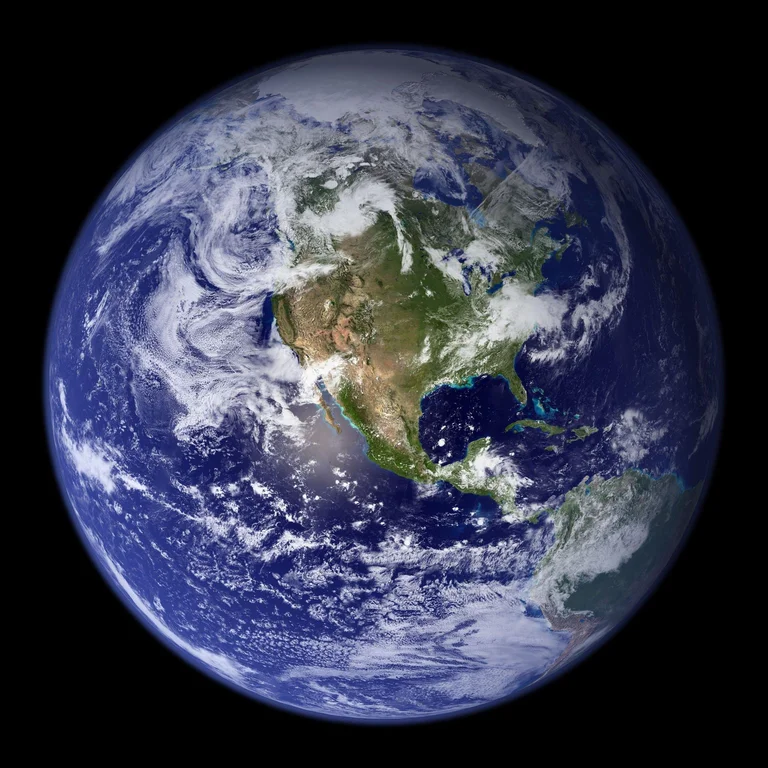
Earth seen from space
How Do Scientists Estimate When Earth Was Born?

Scientists estimate Earth's age at about 4.54 billion years using radiometric dating of ancient minerals, Moon rocks, and meteorites.

Read answer →
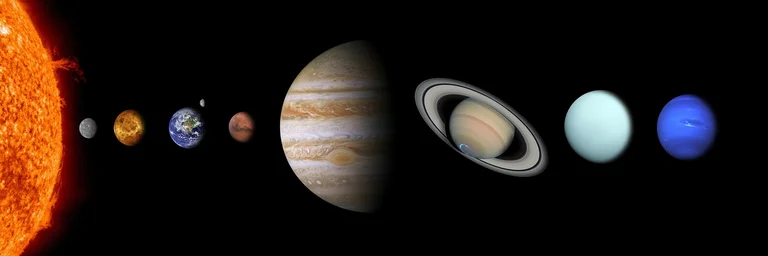
Illustration of the Solar System with the Sun and planets
How Do Scientists Predict How Long the Solar System Has Left?

Scientists predict the Solar System's future with stellar evolution models and orbit simulations, pointing to major change in about 5 billion years.

Read answer →
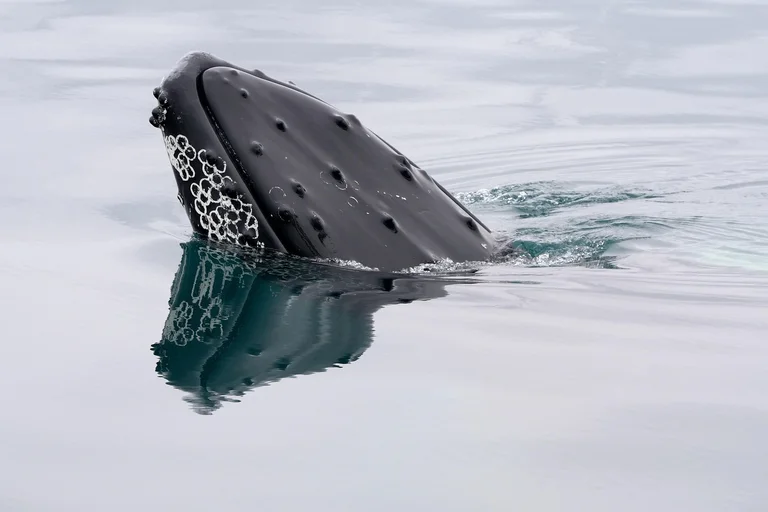
Humpback whale surfacing in water
Are Whales Mammals, and How Do They Nurse Underwater?

Whales are mammals that nurse underwater using hidden mammary slits, high-fat milk, short feeding dives, and milk ejected into the calf's mouth.

Read answer →
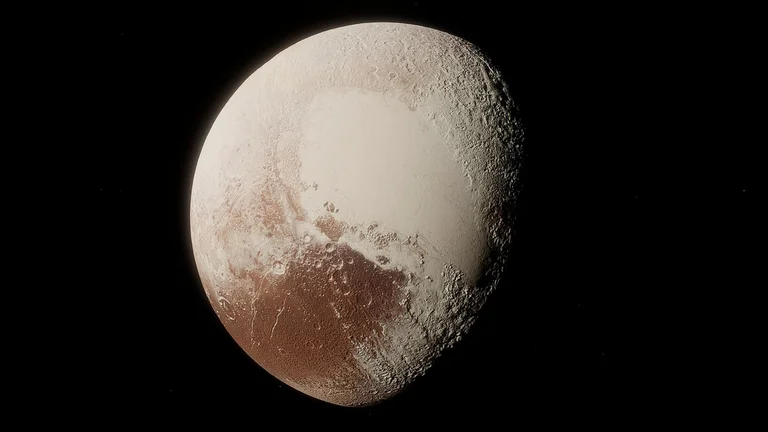
The dwarf planet Pluto, showing its bright heart-shaped region
Why Is Pluto No Longer Called a Planet?

Pluto didn't change—our definition did. In 2006 the IAU set three rules for a planet, and Pluto failed the "clear its orbit" one, becoming a dwarf planet.

Read answer →
people, audience, dimensions
How Many Humans Have Ever Lived, and Where Did They Go?

About 117 billion humans have ever been born. PRB's estimate implies most have died; remains followed many post-death paths.

Read answer →
Seashell resting on wet beach sand
Why Do Seashells Sound Like the Ocean?

Seashells sound like the ocean because they catch background noise, echo it inside a hollow shell, and boost low wave-like tones.

Read answer →
Full moon shining over the sea at night
How Can the Moon Pull the Ocean from So Far Away?

Learn how the Moon's gravity creates ocean tides, why distance does not stop gravity, and what else the Moon can pull besides water.

Read answer →
Migratory birds flying across a cloudy sky
How Do Birds Find Their Way Back Every Year?

Birds navigate with the Sun, stars, magnetic fields, smells, landmarks, and memory, then use learned maps to return year after year.

Read answer →
Abstract atomic model symbol on a textured surface
If Atoms Are Mostly Empty Space, Why Does a Table Feel Solid?

Atoms are mostly empty space, but tables feel solid because electron clouds, electric forces, and quantum rules stop matter from overlapping.

Read answer →
Colorful rubber bands on a white background
Why Do Rubber Bands Lose Elasticity When Stretched Too Long?

Rubber bands lose elasticity because stretched polymer chains relax over time and rubber chemically ages from oxygen, ozone, heat, and light.

Read answer →
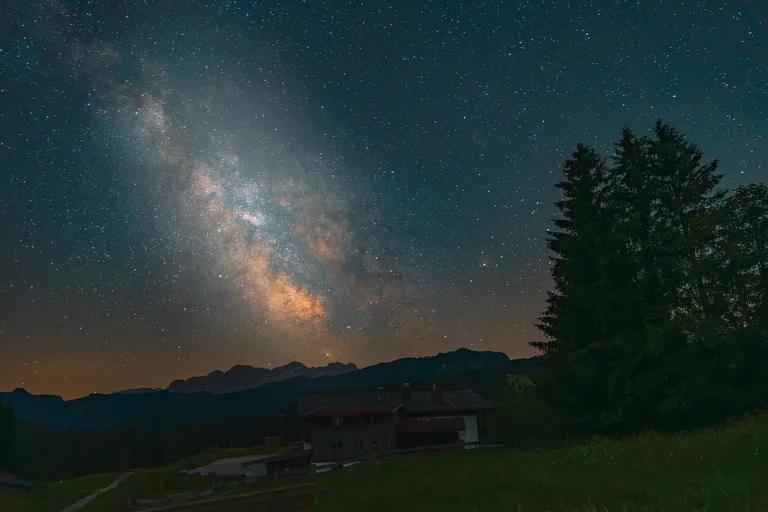
The Milky Way galaxy arching over a dark night landscape
Could Aliens Ever Reach Earth If Nothing Can Travel Faster Than Light?

Light speed and vast distances make alien visits to Earth extremely hard and unevidenced, but not logically impossible. Here's the honest answer.

Read answer →
cyber brain, computer, brain
Are Most Humans Right-Handed Because of Genes or Learning?

Learn why most humans are right-handed and how genetics, development, early-life factors, and culture all shape handedness.

Read answer →
astronomy, milky way, constellations
Are Parallel Universes Just a Hypothesis, or Do They Really Exist?

Learn whether parallel universes are proven, why multiverse ideas appear in physics, and what evidence is still missing.

Read answer →
dolphin, animal, sea
Are There Any Animals That Never Sleep?

Are there animals that never sleep? Surprisingly no — even brainless jellyfish rest, and dolphins sleep with half their brain at a time.

Read answer →
albert einstein, physics, relativity
Can the Speed of Light Really Not Be Exceeded?

Learn why light speed is the universe's speed limit for matter, energy, and information, and what apparent faster-than-light cases mean.

Read answer →
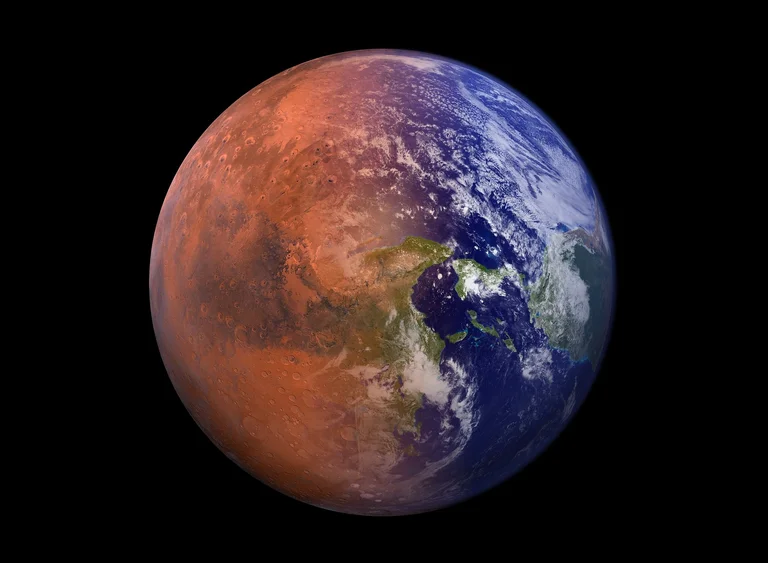
terraforming, mars, colonization
Could Humans Really Live on Mars?

Learn whether humans could live on Mars, what habitats would need, and why radiation, air, water, food, and resupply are so difficult.

Read answer →
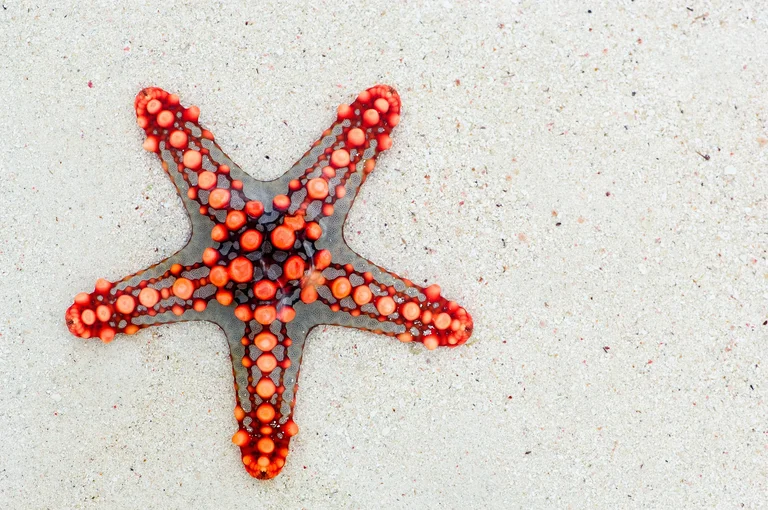
starfish, sand, sea star
Do Starfish Move? How Sea Stars Walk on Hundreds of Tiny Tube Feet

Yes, starfish move! See how sea stars use a water vascular system and hundreds of tiny tube feet to walk, grip, and even gallop across the seafloor.

Read answer →
lightbulb, pear, electricity
How Do Electromagnetic Waves Travel Without a Medium?

Learn why electromagnetic waves do not need air or matter to travel, and how changing electric and magnetic fields move through space.

Read answer →
earth, planet, atmosphere
What Is Earth’s Core Temperature, and Why Is It Still Hot?

Learn how hot Earth's core is, why scientists estimate it indirectly, and why the planet's deep interior is still hot after billions of years.

Read answer →