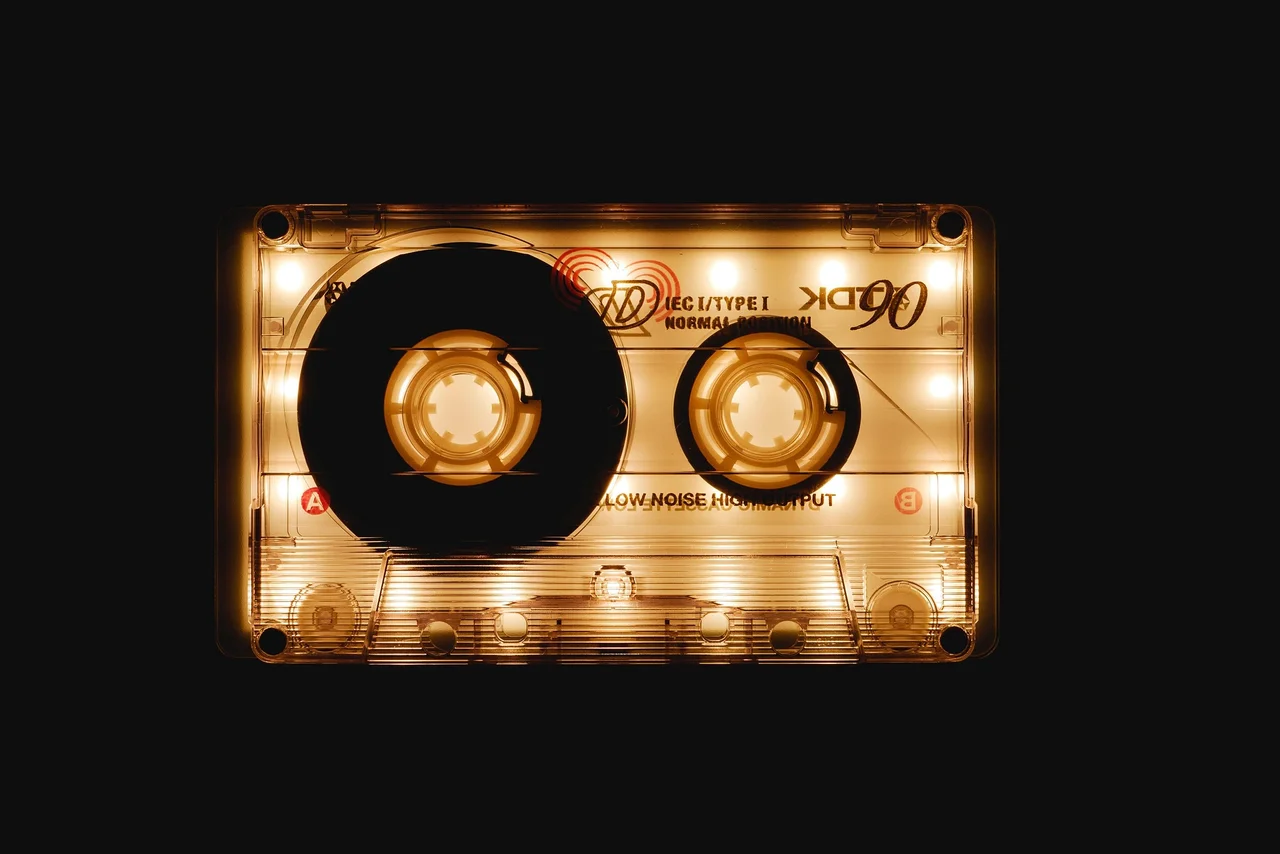
There is no single expiration date for a cassette tape. A tape stored in a hot garage, played often, and handled roughly may fail much sooner than one kept cool, dry, clean, and almost never played. A fair short answer is: many cassette recordings are risky after a few decades, and important ones should be digitized before you wait to find out.
The numbers from preservation sources are broad on purpose. The National Archives says magnetic tapes stored under archival conditions generally last about 10 to 50 years before they show decay that makes them hard to handle, with the middle of that range most common. Sony gives a similar but narrower estimate for its magnetic tape media: about 15 to 30 years, depending on tape quality, access, care, and storage.
For compact audio cassettes, the Preservation Self-Assessment Program is even more direct. It says compact cassettes are not an archival format and have a limited projected lifespan of 10 to 30 years. That does not mean every cassette dies at year 31. It means the format was never built to be a century-long storage system, and the risk keeps rising with age.
Why do tapes age? A cassette is not just “sound in a box.” The National Archives explains that magnetic audio tape has a base layer and a binding layer that holds the magnetic particles used for recording. Often, the binder is the part that breaks down or changes over time, making a tape degrade, become sticky, or become difficult to play.
Storage matters a lot. Heat, humidity, dust, sunlight, and magnetic fields can all shorten the life of a recording. Sony recommends cool, dry, clean storage, keeping tapes in protective cases, storing them upright, avoiding heat and sunlight, and keeping them away from magnetic fields. The Library of Congress also notes that magnetic tape and other audiovisual materials have chemical instabilities, so good storage is especially important.
Playback is another source of risk. PSAP notes that frequent playback wears on cassette media and can degrade sound quality over time. It also warns that damaged or poorly wound cassettes can be “eaten” by a deck, and that moldy tapes should not be played because mold can contaminate the playback machine. Old tapes do not just need a good tape; they also need a healthy player.
So if the recording matters, the practical answer is not “how long can I safely wait?” It is “make a good digital copy while the tape still plays.” Keep the cassette afterward if you want the physical original, but do not make it your only copy. A tape might survive 40 years in good condition, but the safest plan is to treat anything older than 20 or 30 years as something to rescue, not something to trust.
References
- Audio Guidance: Condition of Materials and Storage | National Archives
- Audio Guidance: Important Characteristics of Audio Formats | National Archives
- Tapes – Frequently Asked Questions | Sony USA
- Preservation Self-Assessment Program (PSAP) | Audiotape
- Preservation Self-Assessment Program (PSAP) | Audiocassettes
- Care, Handling, and Storage of Audio Visual Materials | Library of Congress
Explore More
- Why do old cassette tapes sometimes squeal during playback?
- What is the best way to digitize a cassette tape at home?
- Can a cassette be repaired if the tape gets eaten by the player?
- Why do magnetic fields erase or damage tape recordings?
- Are CDs or cassette tapes better for long-term storage?