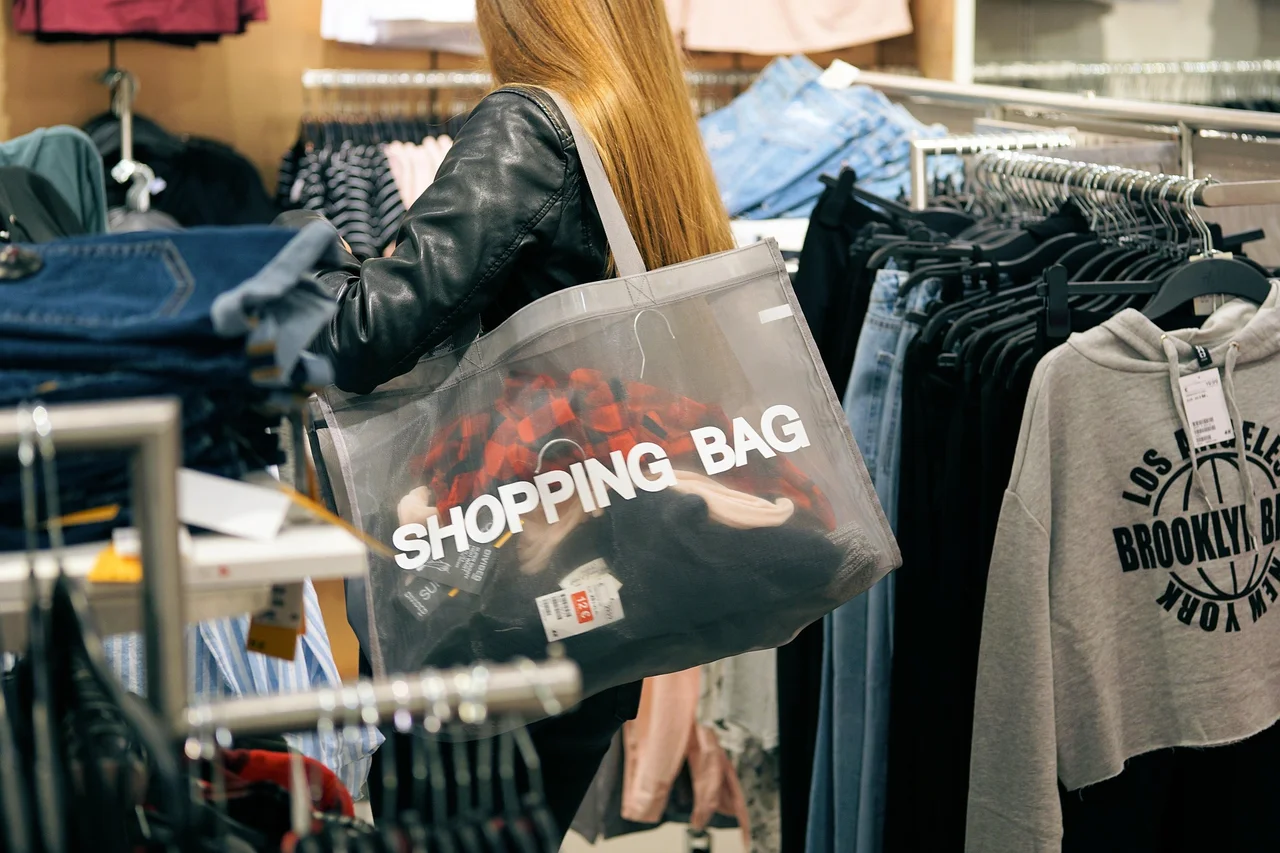
Impulse buying feels exciting because it turns wanting into getting very quickly. You see something, imagine owning it, and the distance between “maybe” and “mine” almost disappears. That fast jump is the point. Your brain does not have much time to cool down, compare options, or ask whether you will still care tomorrow.
Consumer researchers usually describe impulse buying as sudden, fast, and emotionally loaded. Dennis Rook’s classic paper studied what people experience during buying impulses, and later research describes impulse buying as relatively rapid decision-making with a bias toward immediate possession. In plain English: the object feels like it wants an answer right now.
That “right now” feeling matters. A Frontiers in Psychology study on impulsivity says impulsive people tend to prefer smaller immediate rewards over larger delayed ones, because waiting itself carries a cost for them. In shopping, the reward is not always the product alone. It is also the instant hit of choosing, clicking, carrying the bag, or imagining the upgraded version of yourself who owns it.
Excitement also comes from arousal. A shopping moment can raise your emotional temperature: bright displays, limited-time discounts, new product smell, smooth checkout buttons, or a “only 2 left” message. A consumer psychology paper by Kacen and Lee describes impulse buying as more arousing, less deliberate, and more irresistible than planned buying, and notes that positive mood and pleasure in a shopping environment have been linked to unplanned spending.
There is a useful brain-science background idea here, but it should be kept narrow. The National Institute of Mental Health describes reward prediction error as the gap between expected and obtained rewards, and says that gap matters for reinforcement learning. Inference: impulse shopping can feel especially vivid when the expected reward is close, immediate, or better than expected. That is not proof that every impulse purchase is a “dopamine rush.” It is a careful way to connect the shopping research to a broader reward-learning concept.
Stores and apps are designed to make that possible reward feel close. A Frontiers article on impulse buying says triggers can include store environment, emotional state, visual stimuli, promotional campaigns, and reduced ability to weigh pros and cons. A meta-analysis also points to marketing stimuli such as merchandise, store atmosphere, communications, and price discounts as triggers.
There is a self-image piece too. The exciting thought is often not “I own cotton and plastic now.” It is “I will look more confident,” “my desk will finally feel organized,” or “this is the treat I deserve.” The meta-analysis notes that impulse purchases can involve emotional gratification, compensation, rewards, or products tied to a preferred or ideal self. The purchase becomes a tiny story about who you are about to be.
The catch is that excitement is not the same as satisfaction. Impulse buying can feel good at the moment and still bring regret later, because the fast emotional system got to vote before the slower budgeting-and-consequence system finished reading the ballot. That is why the thrill is so real, and also why it can fade so fast once the package arrives.
References
- The Buying Impulse | Journal of Consumer Research
- The Influence of Culture on Consumer Impulsive Buying Behavior | Journal of Consumer Psychology
- Factors Affecting Impulse Buying Behavior of Consumers | Frontiers in Psychology
- Impulse buying: a meta-analytic review | Journal of the Academy of Marketing Science
- Impulsive people have a compulsion for immediate gratification | Frontiers in Psychology
- Reward Prediction Error | National Institute of Mental Health
Explore More
- Why do limited-time discounts feel so hard to ignore?
- Why does online shopping make impulse buying easier?
- Why do some purchases feel exciting before they arrive but boring afterward?
- How do stores use layout and lighting to change buying behavior?
- Why does buying something sometimes feel like self-care?