The short answer is a surprising no. Every time scientists carefully study an animal rumored to skip sleep entirely, they end up finding some form of rest. Sleep, in one shape or another, looks like one of the near-universal rules of being alive. As one biologist sums it up, practically every animal sleeps in one way or another.
The most jaw-dropping example is the upside-down jellyfish, Cassiopea. It has no brain at all, not even a central nervous system, yet a 2017 study found it still falls into a sleep-like state. At night it pulses more slowly, it is sluggish to react when disturbed, and if researchers keep it awake, it needs extra rest afterward to catch up. If an animal without a brain still “sleeps,” that tells us sleep is something deeply built into life.
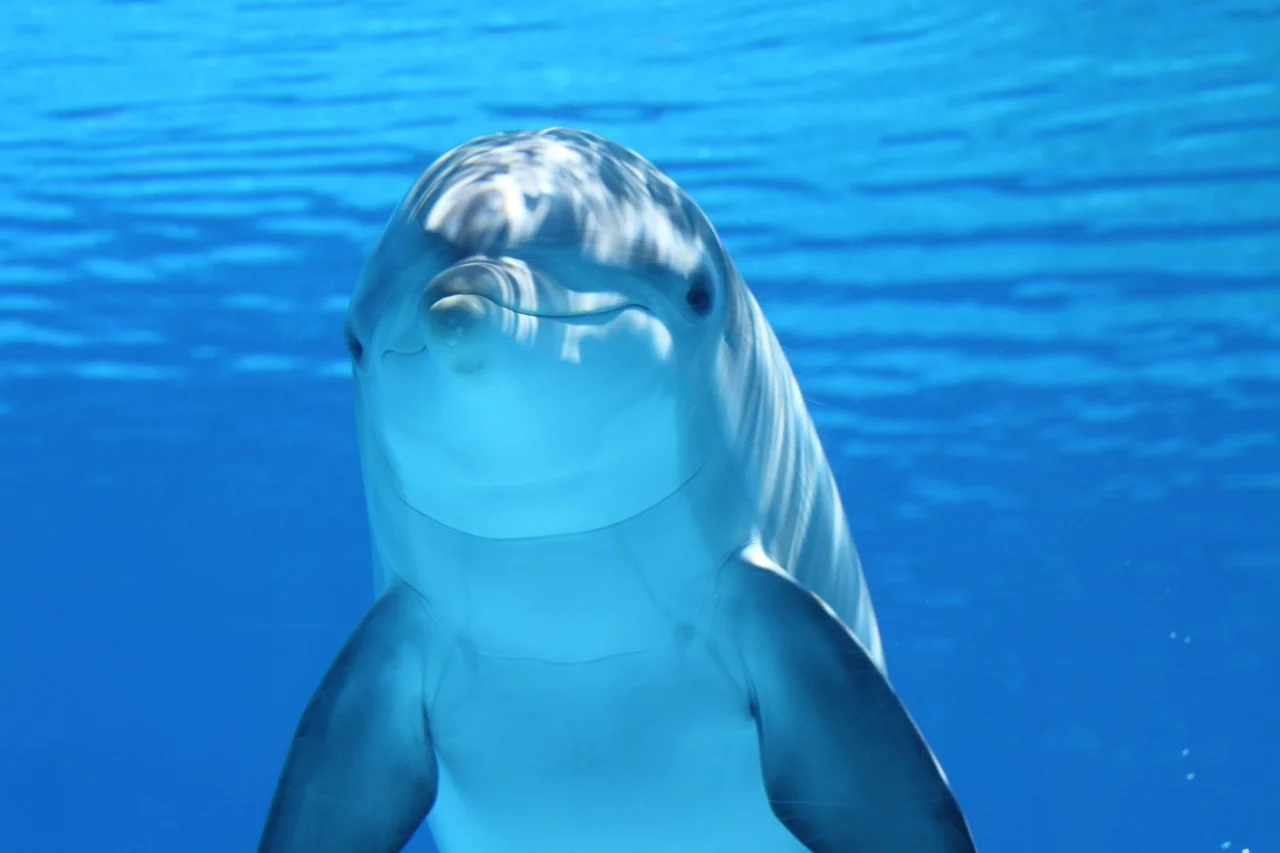
So what about the famous supposed non-sleepers, like dolphins? Dolphins really cannot afford to switch fully off, because they have to swim to the surface to breathe. Their clever workaround is called unihemispheric sleep: one half of the brain sleeps while the other half stays awake, often with the matching eye open. So a resting dolphin is genuinely asleep, just one hemisphere at a time, with the awake side keeping it breathing and watching for trouble.
Plenty of birds pull off the same trick. Species such as swifts and ducks can shut down one half of the brain while the other stays alert, keeping a single eye open toward the direction of danger. This is incredibly handy on long migrations, when a bird may need to keep flying for days without ever fully landing to nap.
Other “sleepless” legends fall apart under a closer look. Bullfrogs were once thought never to sleep, because they reacted to a shock just as strongly whether they were active or resting. But when scientists examined them more carefully, there simply was not good evidence that bullfrogs go without sleep. The old test had mistaken “still responsive” for “never resting.”
That is really the pattern behind the whole question. Most “animals that do not sleep” turn out to be animals whose sleep we had not yet learned to recognize. What truly exists are animals that sleep remarkably little: elephants get by on roughly two to four hours a day, giraffes on about three to four, and horses on around two. Tiny amounts, but not zero.
So why can nothing seem to escape sleep? Because it clearly does something essential. The fact that sleep shows up everywhere, from jellyfish with no brain to giant mammals, strongly suggests it serves a function that life cannot do without. Needing sleep is not a human weakness to feel guilty about. It appears to be one of the basic rules of being an animal.
References
- Do Animals Need to Sleep? – ASU Ask A Biologist
- Sleep in animals – Wikipedia
- Unihemispheric slow-wave sleep – Wikipedia
Explore More
- How can a jellyfish “sleep” without having a brain to begin with?
- What actually happens in the body and brain while we sleep?
- How do migrating birds fly for days without stopping to rest?
- Why do bigger animals like elephants need so much less sleep than small ones?
- What happens to an animal, including a human, that is deprived of sleep for too long?