Latest

Every GoGoDig answer, newest first.
Colorful rubber bands on a white background
SciencesWhy Do Rubber Bands Lose Elasticity When Stretched Too Long?

Rubber bands lose elasticity because stretched polymer chains relax over time and rubber chemically ages from oxygen, ozone, heat, and light.

Read answer →
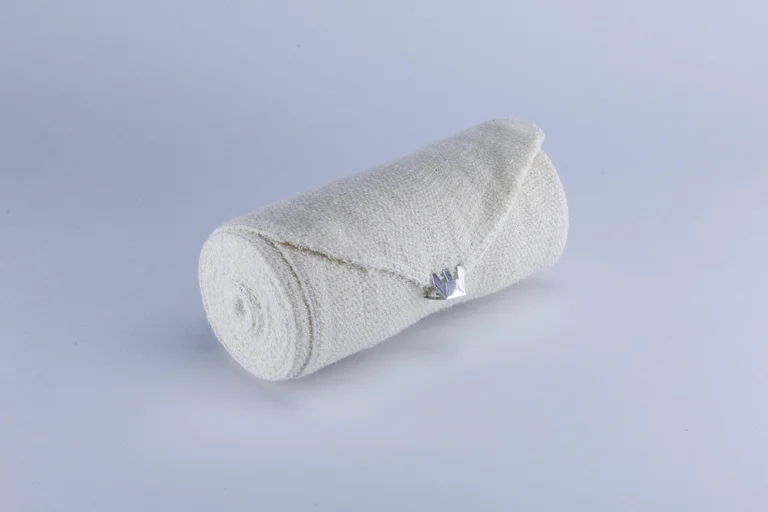
Rolled gauze bandage on a white background
HealthWhy Do Wounds Itch When They Are Almost Healed?

Healing wounds may itch because inflammation, histamine, dry scabs, and itch signals can happen while skin repairs itself.

Read answer →
Person carrying shopping bags in a store
BusinessWhy Does Impulse Buying Feel So Exciting?

Impulse buying feels exciting because it offers immediate reward, novelty, emotional arousal, and a quick imagined upgrade to your life.

Read answer →
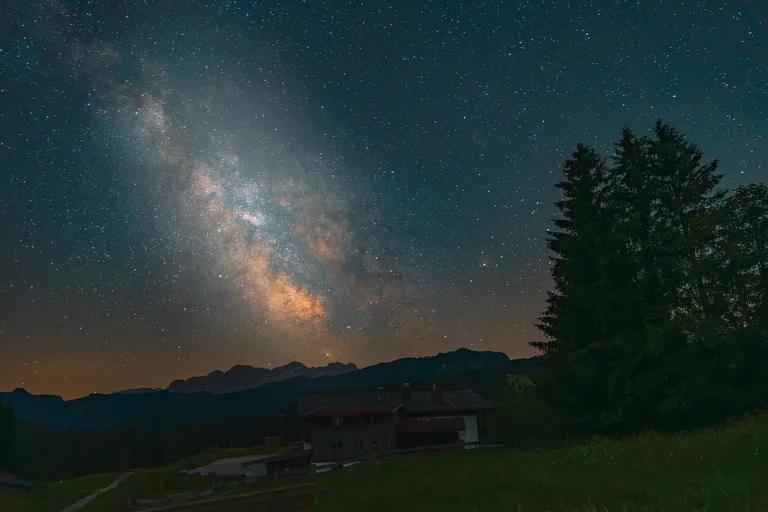
The Milky Way galaxy arching over a dark night landscape
SciencesCould Aliens Ever Reach Earth If Nothing Can Travel Faster Than Light?

Light speed and vast distances make alien visits to Earth extremely hard and unevidenced, but not logically impossible. Here's the honest answer.

Read answer →
cyber brain, computer, brain
SciencesAre Most Humans Right-Handed Because of Genes or Learning?

Learn why most humans are right-handed and how genetics, development, early-life factors, and culture all shape handedness.

Read answer →
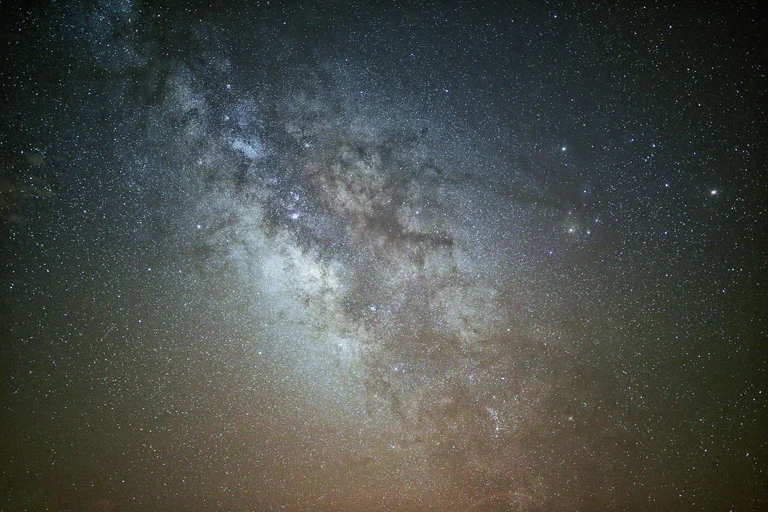
astronomy, milky way, constellations
SciencesAre Parallel Universes Just a Hypothesis, or Do They Really Exist?

Learn whether parallel universes are proven, why multiverse ideas appear in physics, and what evidence is still missing.

Read answer →
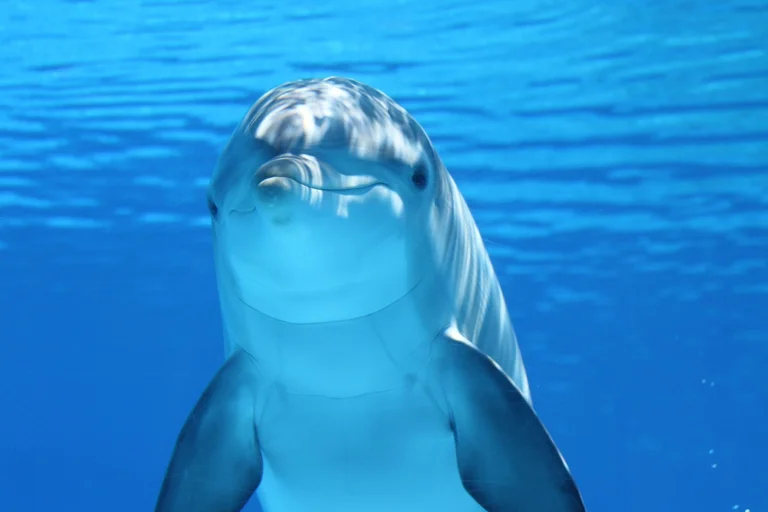
dolphin, animal, sea
SciencesAre There Any Animals That Never Sleep?

Are there animals that never sleep? Surprisingly no — even brainless jellyfish rest, and dolphins sleep with half their brain at a time.

Read answer →
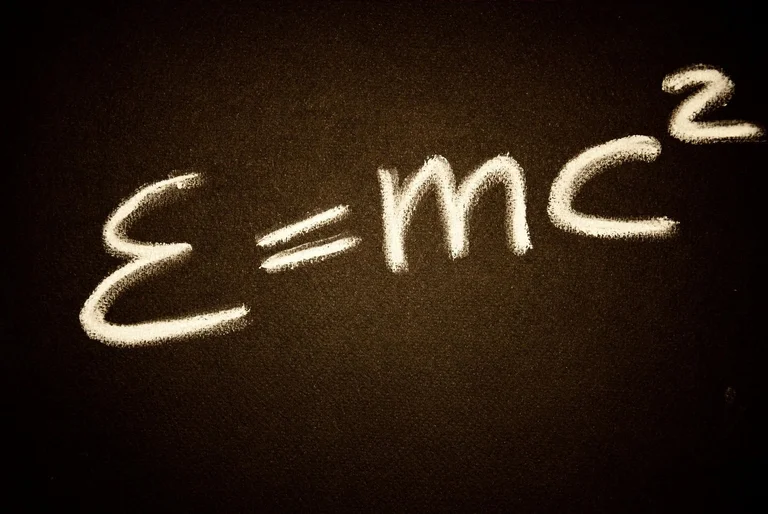
albert einstein, physics, relativity
SciencesCan the Speed of Light Really Not Be Exceeded?

Learn why light speed is the universe's speed limit for matter, energy, and information, and what apparent faster-than-light cases mean.

Read answer →
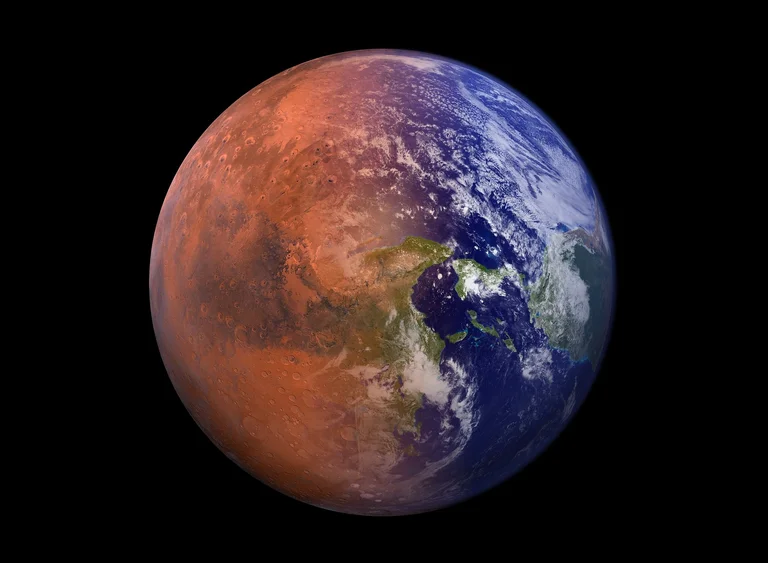
terraforming, mars, colonization
SciencesCould Humans Really Live on Mars?

Learn whether humans could live on Mars, what habitats would need, and why radiation, air, water, food, and resupply are so difficult.

Read answer →
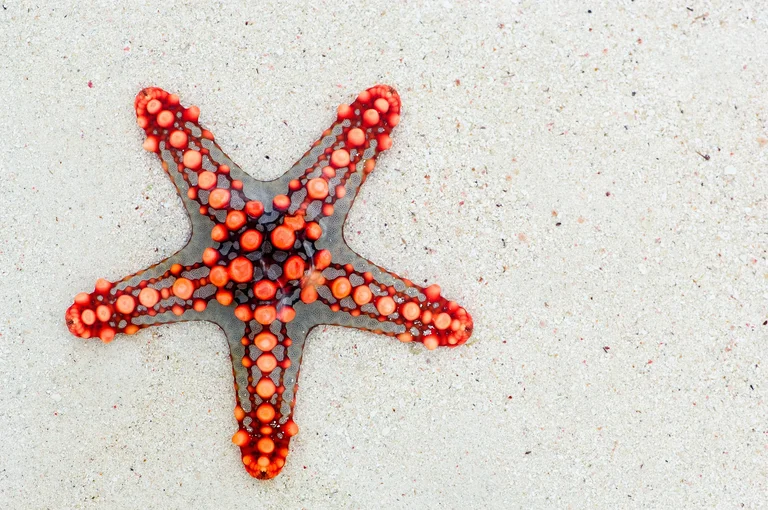
starfish, sand, sea star
EnvironmentDo Starfish Move? How Sea Stars Walk on Hundreds of Tiny Tube Feet

Yes, starfish move! See how sea stars use a water vascular system and hundreds of tiny tube feet to walk, grip, and even gallop across the seafloor.

Read answer →
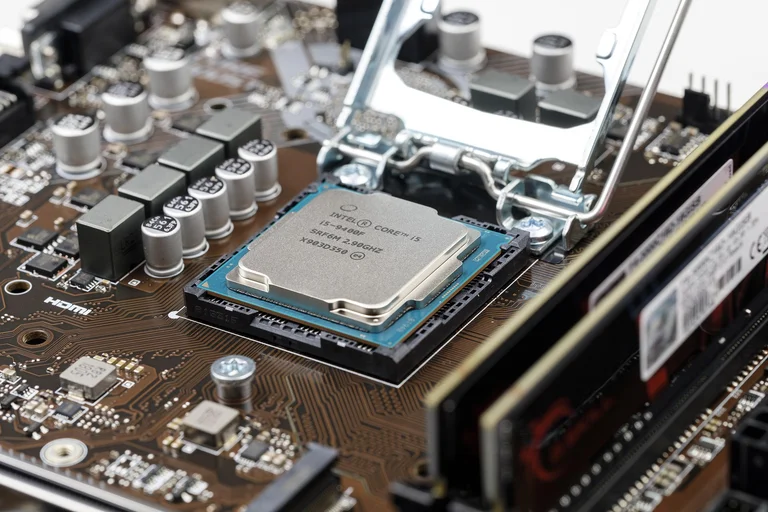
cpu, processor, chip
TechnologyGPU vs CPU: What’s the Difference, and When Does Each One Matter?

CPU vs GPU explained simply: a CPU has a few powerful cores for step-by-step tasks, while a GPU has thousands of small cores for parallel work.

Read answer →
camera, phone, picture
TechnologyHow Are iPhone Spatial Photos Different from Regular Photos?

Learn how iPhone spatial photos differ from regular photos, including 3D depth, stereo image data, Vision Pro viewing, and capture tips.

Read answer →
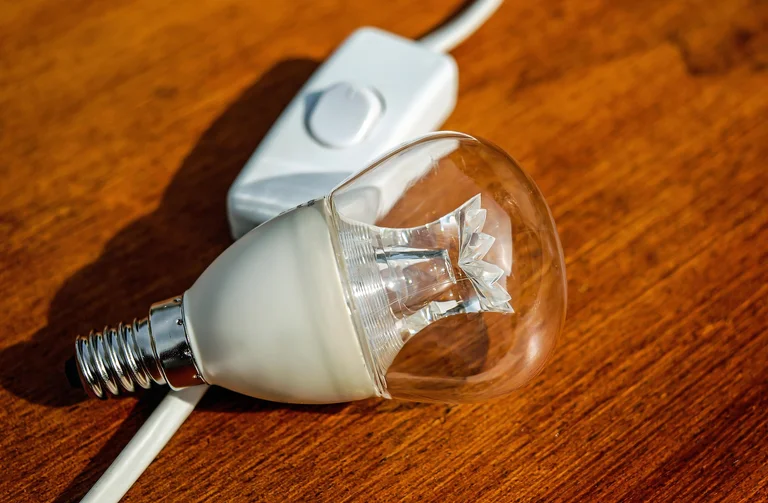
lightbulb, pear, electricity
SciencesHow Do Electromagnetic Waves Travel Without a Medium?

Learn why electromagnetic waves do not need air or matter to travel, and how changing electric and magnetic fields move through space.

Read answer →
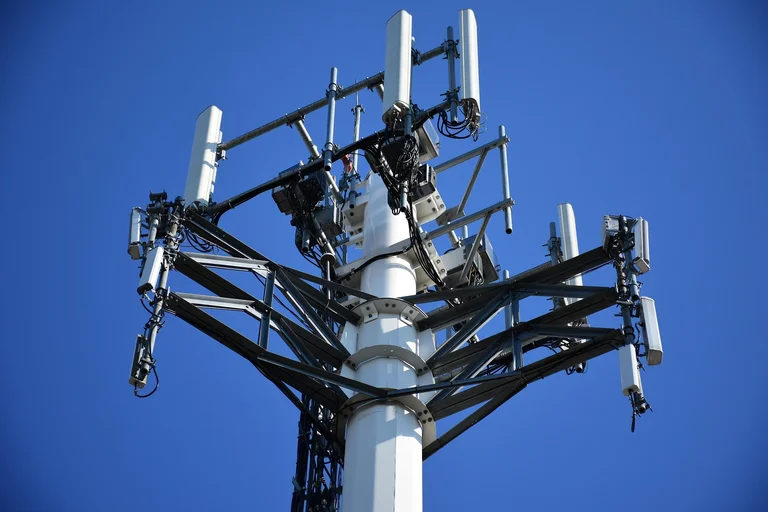
cellular tower, power, technology
TechnologyHow Does a Phone Communicate Without Wires?

Learn how phones use radio waves, base stations, and cellular networks to send calls, texts, and data without a cable.

Read answer →
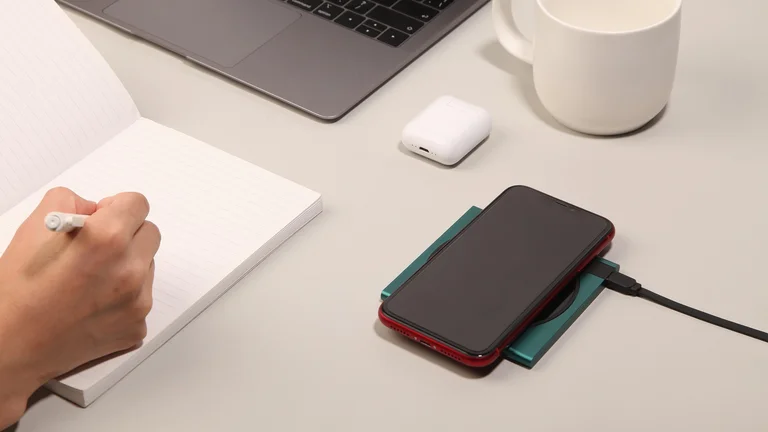
A phone charging on a wireless charging pad
TechnologyHow Does Wireless Charging Work?

Learn how wireless charging uses magnetic induction, coils, alignment, and Qi control signals to charge phones without a plug.

Read answer →
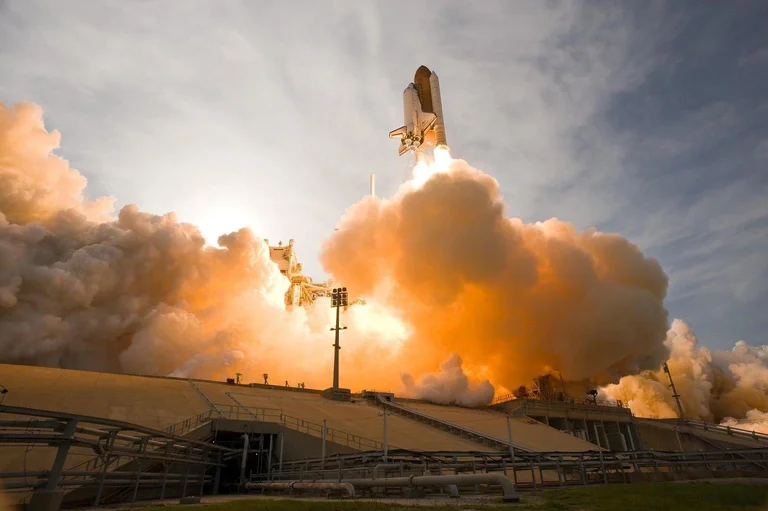
space shuttle, rocket, lift-off
TechnologyHow Is SpaceX’s Starship Different from the Space Shuttle?

Compare SpaceX Starship and NASA's Space Shuttle by design, reusability, landing style, mission goals, and development status.

Read answer →
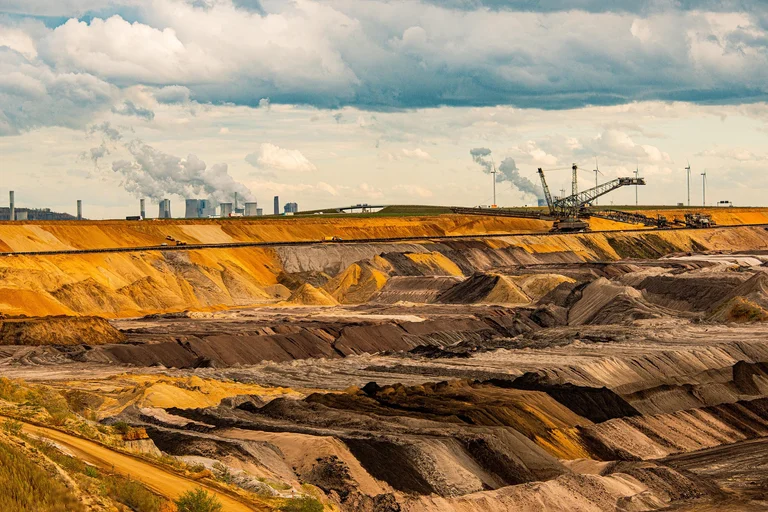
open pit mining, brown coal, bucket wheel excavators
BusinessHow Long Will the World’s Oil Reserves Last? Why There’s No Simple Countdown

How long will oil last? There's no fixed date: proven reserves cover roughly 14 years, but reserves keep changing and demand may fall first.

Read answer →
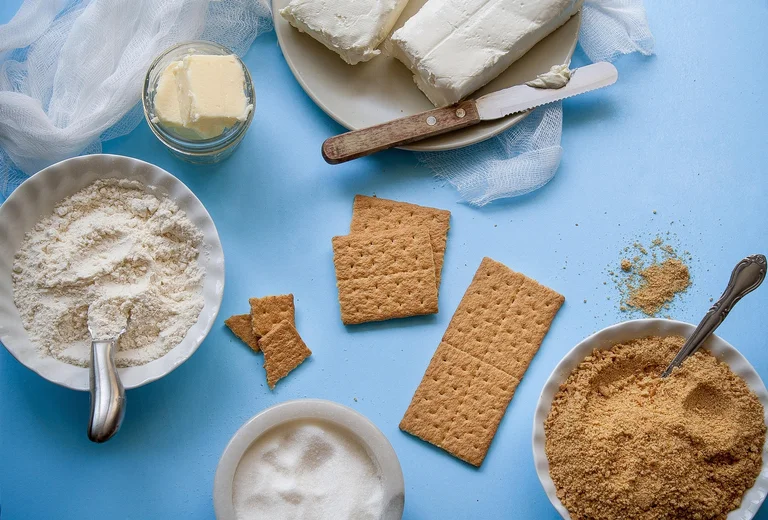
ingredients, butter, cheese
LifestyleWhat Is Browned Butter, and Why Does It Taste So Good?

Learn what browned butter is, how milk solids and the Maillard reaction create its nutty flavor, and why timing keeps it tasty.

Read answer →
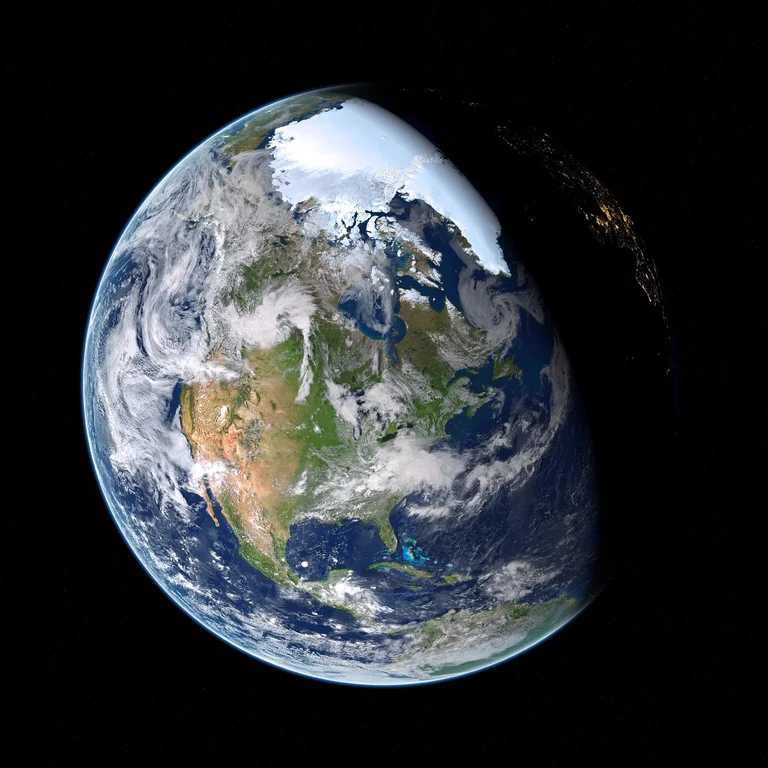
earth, planet, atmosphere
SciencesWhat Is Earth’s Core Temperature, and Why Is It Still Hot?

Learn how hot Earth's core is, why scientists estimate it indirectly, and why the planet's deep interior is still hot after billions of years.

Read answer →
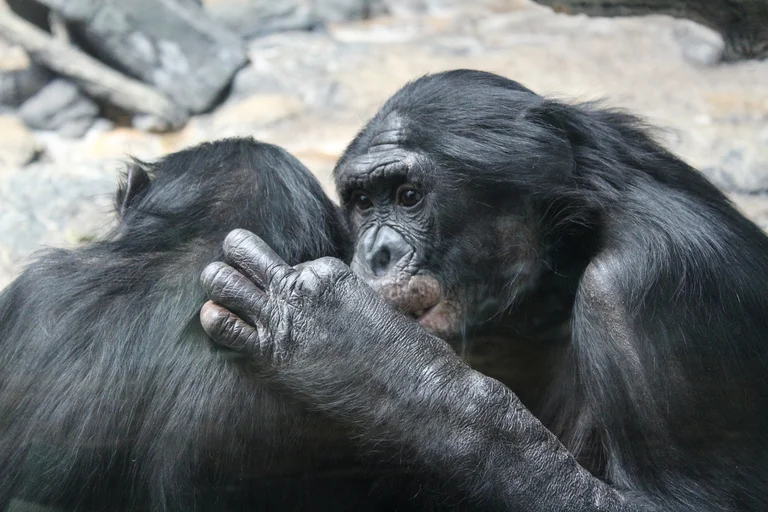
bonobo, nature, primates
SciencesWhich Living Species Is Closest to Modern Humans?

Learn why chimpanzees and bonobos are the closest living relatives of modern humans and what that really means.

Read answer →
zip, jeans, jean button
TechnologyWho Invented the Zipper?

Learn who invented the zipper, from Elias Howe and Whitcomb Judson to Gideon Sundback's modern zipper design.

Read answer →
boat, wheel, ship
LifestyleWhy Do Boat Captains Often Stand While Steering?

Learn why boat captains often stand at the helm, from better visibility and lookout duties to docking, trim, and safe control.

Read answer →
A packed soccer stadium full of fans
SportsWhy Do So Many People Love Soccer When There Are So Few Goals?

Why soccer stays popular despite low scores: scarce goals, hard rules, underdog chances, and the tension of one moment changing a match.

Read answer →
sunset, clouds, orange
SciencesWhy Does the Sun Look Different Colors at Different Times?

Learn why the Sun looks white, yellow, orange, or red at different times, and how Earth's atmosphere scatters sunlight.

Read answer →